Nigeria Becomes Party to UN High-Seas Biodiversity Treaty
NEW YORK — Nigeria has formally ratified the United Nations agreement designed to protect and sustainably use marine biodiversity in ocean areas beyond national jurisdiction.
The UN Treaty Collection records Nigeria’s ratification on 24 November 2026. The action moves the country from being a signatory to a full party to the agreement, commonly known as the High Seas Treaty or BBNJ Agreement.
Nigeria signed the treaty in May 2024. Its ratification instrument was deposited at UN headquarters in New York by the country’s permanent representative, according to reports and the UN registration record.
What the treaty covers
The agreement creates an international framework for marine protected areas, environmental-impact assessments, capacity-building, transfer of marine technology and the fair sharing of benefits from marine genetic resources in international waters.
Those waters lie outside any single country’s jurisdiction and cover most of the world’s ocean. The treaty is intended to improve cooperation where national laws alone cannot protect ecosystems or regulate access to biological resources.
What ratification means for Nigeria
Ratification gives Nigeria the standing of a party in future decisions under the treaty, including participation in its first Conference of the Parties. It also creates responsibilities to implement the agreement through national policy, scientific cooperation and environmental safeguards.
The treaty does not transfer Nigeria’s maritime territory or erase its rights under the UN Convention on the Law of the Sea. It concerns biodiversity in areas beyond national jurisdiction, while continental-shelf rights are governed by separate legal rules.
The government has presented the decision as part of its wider blue-economy programme. The practical benefit will depend on implementation: scientific capacity, transparent licensing, environmental monitoring and the ability of Nigerian institutions and researchers to take part in international projects.
Sources
- United Nations Treaty Collection — Nigeria ratification record
- Premium Times, 25 November 2026
- News Agency of Nigeria report, 25 November 2026
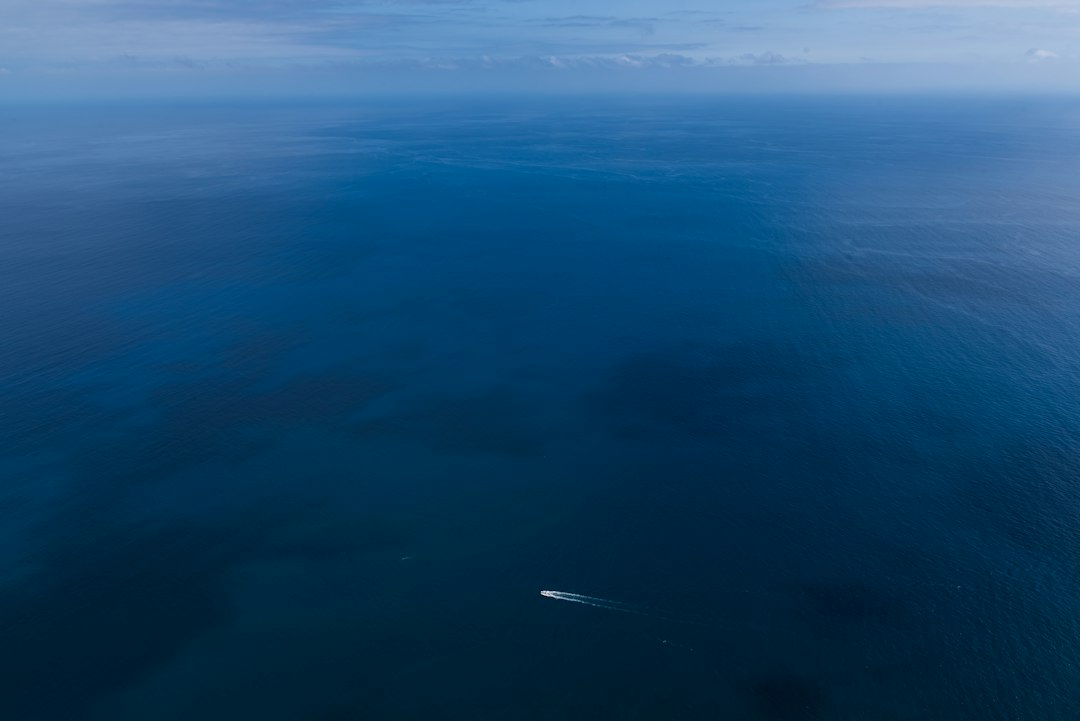
Image: Representative high-seas photograph.