
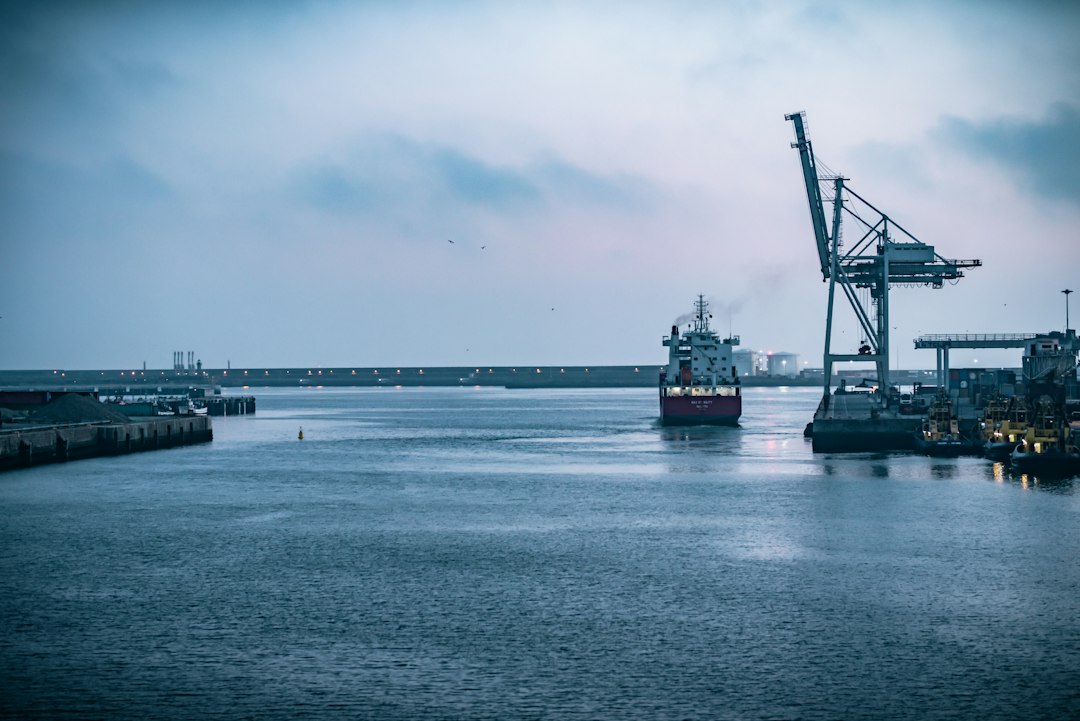
Nigeria Begins ₦1.45tn Apapa and Tin Can Port Upgrade
MBTV Newsroom | 27 November 2026
The federal government has formally started a major modernisation of the Lagos Port Complex at Apapa and Tin Can Island Port, with the project valued at £746 million—approximately ₦1.45 trillion at the government’s stated conversion.
Minister of Marine and Blue Economy Adegboyega Oyetola led the groundbreaking ceremony at Tin Can Island Port alongside Finance Minister Taiwo Oyedele and officials of the Nigerian Ports Authority.
What the project is intended to change
The planned work is designed to address ageing infrastructure, improve cargo handling and reduce logistics costs at Nigeria’s busiest port corridor. Government officials said the programme is expected to improve berth capacity, modernise terminal infrastructure and make the ports more competitive for international shipping.
The government has announced targets of at least 20,000 direct and indirect jobs and cargo clearance within 48 hours. Those figures are projections attached to the project, not results that have already been achieved.
Nigerian importers and manufacturers have long complained about congestion, delays, multiple charges and the wider cost of moving goods through Lagos. The success of the upgrade will therefore depend not only on construction but also on customs procedures, terminal operations, road and rail connections and coordination among government agencies.
Cost and accountability
The stated cost is £746 million, estimated by officials at about ₦1.45 trillion. MBTV has not seen a publicly accessible itemised contract or completion timetable detailed enough to independently assess every cost component.
Public-interest monitoring should focus on procurement disclosure, milestones, contractor performance, environmental safeguards and whether promised improvements actually reduce the time and cost of clearing cargo.
Officials described the launch as an investment in trade competitiveness. For businesses and port users, the measurable test will be whether the project delivers safer infrastructure, predictable clearance and lower logistics costs without creating new bottlenecks.
Sources
- ARISE News: project launch, cost and employment target
- News Agency of Nigeria report: groundbreaking details
- ThisDay: clearance and infrastructure targets
MBTV reporting is independently written from attributed source material. Truth Is Constant.