
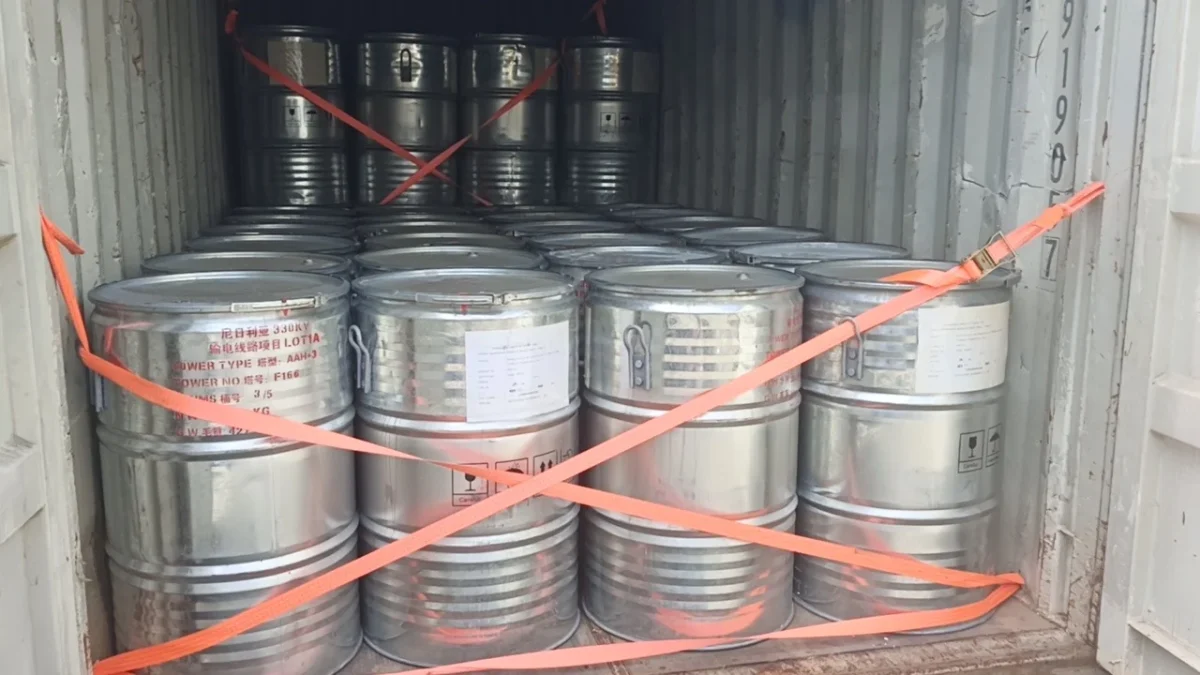
Customs Begins Release of 98 Long-Stranded Power Equipment Containers
The Nigeria Customs Service has begun releasing and evacuating 98 containers of electricity transmission equipment from Lagos ports after some of the consignments remained uncleared for more than a decade.
The operation follows President Bola Tinubu’s directive that outstanding charges and administrative obstacles delaying more than 300 power-sector containers should be resolved.
First equipment leaves the port
Minister of Power Joseph Olasunkanmi Tegbe and Comptroller-General of Customs Bashir Adewale Adeniyi attended the clearance operation in Lagos on Friday, 6 November 2026.
According to the Power Ministry, 44 containers were released from the ENL Terminal and another 54 were processed at the APMT and Sun & Moon terminals, bringing the current exercise to 98 containers. The first evacuated equipment was loaded for delivery to ongoing projects in Kaduna, Nasarawa, Osun and Cross River states.
Customs said the wider backlog contains high-capacity transformers, cables, switchgear, conductors and other transmission materials imported for government-backed electricity projects through the Federal Ministry of Power and agencies including the Transmission Company of Nigeria and the Niger Delta Power Holding Company.
Why the equipment remained at the ports
Officials attributed the delays to accumulated charges, incomplete clearance procedures, administrative bottlenecks and cases in which contractors imported equipment for public projects but failed to move it to the intended sites.
Customs said priority processing, joint examination teams and approved waivers are being used to accelerate the exercise. The service also said it would work with relevant authorities to identify contractors responsible for abandoning government consignments.
Inspection before installation
The release of a container does not mean its equipment can immediately enter service. Technical teams must verify the inventory, test each item and refurbish equipment where necessary before installation.
The Power Ministry said most of the equipment inspected so far appeared useful and viable. Serviceable items are expected to complete stalled installations, relieve overloaded substations and strengthen constrained transmission corridors. Materials found to be obsolete or damaged will be handled under the applicable disposal procedures.
The original directive covering more than 300 containers was announced after the Federal Executive Council meeting on 28 October. The latest evacuation is the first measurable stage of that process. Its effect on electricity supply will depend on how quickly the equipment is tested, transported, installed and commissioned.
MBTV will track the remaining containers and the projects where the recovered equipment is eventually installed.
Maureen Badejo TV — Truth Is Constant.
