
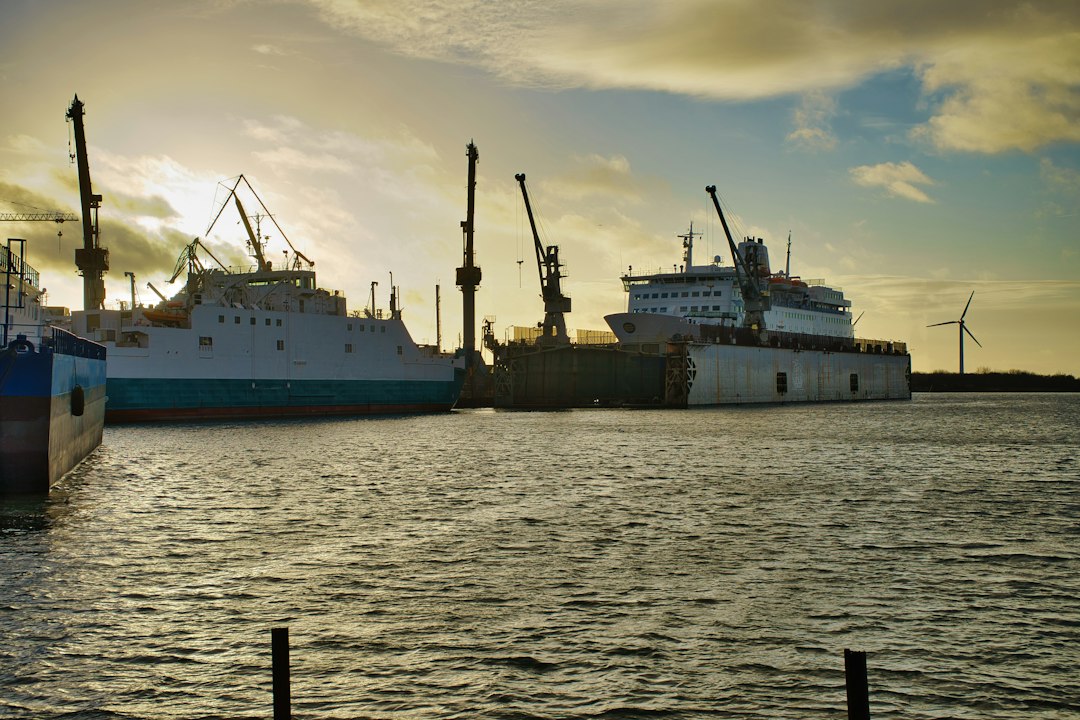
Bakassi Deep Seaport Moves Into Construction Under Public-Private Partnership
Federal and Cross River State officials have formally broken ground on the Bakassi Deep Seaport, moving the long-planned maritime project from preparation into its construction phase.
President Bola Tinubu was represented at the Friday, 13 November 2026 ceremony by Vice-President Kashim Shettima. The Cross River State Government said the planned facility would have a 20-metre draft, allowing it to receive large vessels that currently bypass many Nigerian ports.
The project is intended to create an additional maritime gateway for the eastern part of the country and reduce the concentration of cargo traffic in Lagos. Supporters also expect it to connect agricultural and industrial producers in Cross River and neighbouring regions to international markets.
Financing figures require context
Public accounts of the project cite two different but related figures. Cross River officials described efforts to secure a $3.5 billion Afreximbank financing arrangement, while the state’s account of the ceremony also referred to an initial funding approval of $2.27 billion under the public-private partnership structure. These figures should not be treated as interchangeable until a final financing agreement and disbursement schedule are publicly available.
The proposed port is linked to a major road corridor intended to move cargo towards north-central and north-eastern Nigeria. The Nigerian Ports Authority has said the facility is designed to serve Nigeria, the Gulf of Guinea and landlocked markets in the Sahel.
Groundbreaking is an important project milestone, but it is not the same as completion. Delivery will depend on financing, environmental safeguards, procurement, road connections and transparent implementation over the construction period.
Sources
- Cross River State Government account of the groundbreaking
- TheCable report on the ceremony and proposed regional trade role
MBTV reporting note: This article distinguishes the overall financing arrangement from the separately reported initial funding approval.


