
Nigeria’s Grid Output Falls to About 3,180MW as Distribution Allocation Reaches 2,885MW
Electricity generation on Nigeria’s national grid fell to approximately 3,180 megawatts on Wednesday evening, while the country’s 11 distribution companies received a combined allocation of 2,885MW.
The figures were drawn from the Distribution Load Profile published by the Nigerian Independent System Operator at 6:28 p.m. on 18 November 2026 and reported by The Guardian.
Output declined during the day
Generation was reported at 3,743MW around midnight and 3,732MW at 2 a.m. It then dropped to about 3,179MW by 6 a.m. and remained near 3,180MW at 6 p.m.
According to the published allocation figures, Abuja Electricity Distribution Company received 551MW. Ikeja received 366MW, Ibadan 340MW and Eko 339MW. Port Harcourt received 279MW, Benin 230MW, Enugu 220MW, Kano 173MW, Kaduna 167MW, Jos 146MW and Yola 74MW.
An allocation is not the same as electricity delivered continuously to every customer. Local network faults, load shedding, feeder capacity and commercial arrangements can affect the supply eventually received by homes and businesses.
Persistent sector constraints
Nigeria’s electricity system continues to face gas-supply limitations, hydropower conditions, transmission constraints and generation-company liquidity problems. The available data describes the grid at specific times and should not be treated as a permanent generation level.
The House of Representatives’ ad-hoc committee on power-sector reform is also expected to present a report addressing tariffs and wider sector challenges.
MBTV will watch for updated NISO figures and statements from the regulator or generation companies explaining the decline. No single cause had been formally established in the material reviewed for this report.
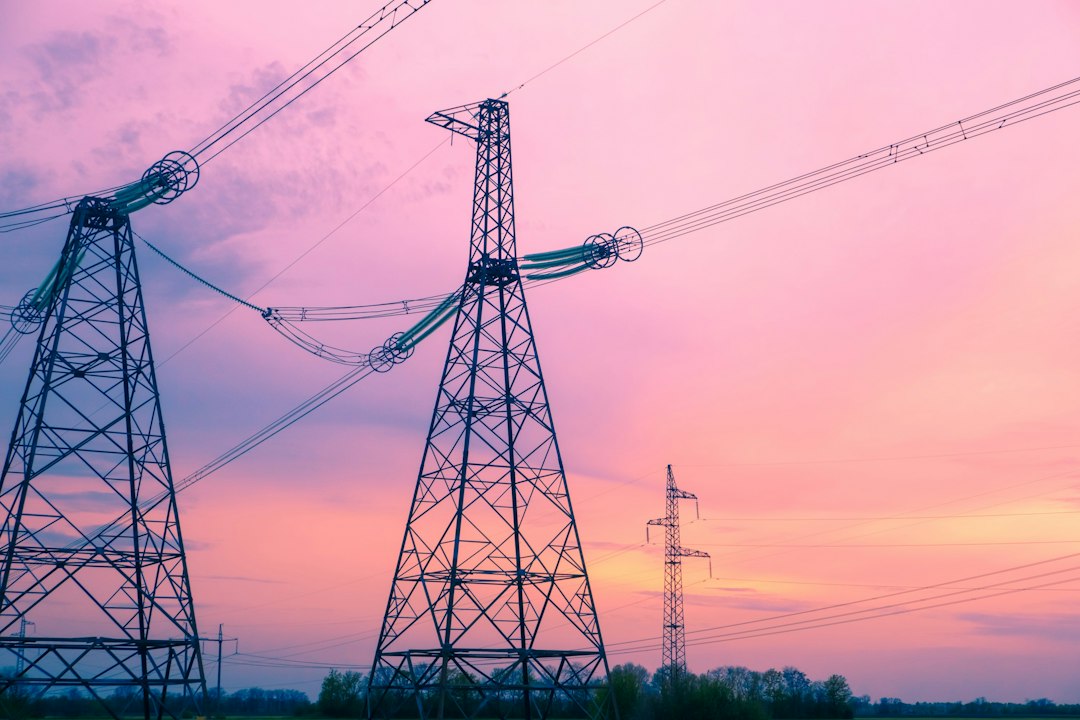
Featured image: Illustrative electricity transmission infrastructure. Photo by Evgeniy Alyoshin via Unsplash.

